تصور شبكة الكهرباء في سوريا
شبكة نقل الكهرباء السورية ليست مجرد أبراج ومحطات، بل بنية إقليمية حسّاسة. عرض بصري وتحليل لما تكشفه الشبكة عن الاستقرار والاقتصاد في سوريا والمشرق.
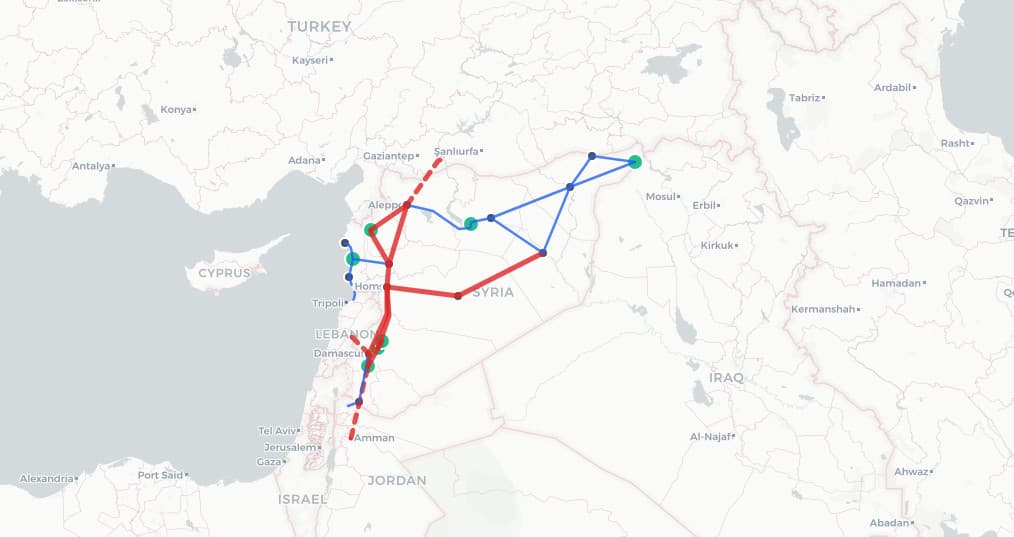
ملخص تنفيذي
إنّ السلامة الهيكلية لشبكة الطاقة الوطنية تُعدّ المقياس الأمتن للحيوية الاقتصادية والاستقرار السيادي. وفي سياق بلاد الشام، تُمثل شبكة نقل الكهرباء السورية ما هو أبعد من كونها مجرد مجموعة من أبراج الطاقة ومحطات التحويل؛ فهي ركيزة محورية في الهندسة الإقليمية التي تربط أسواق الطاقة في الخليج بأسواق الأناضول. يتناول هذا المقال تصوراً بيانياً جديداً للشبكة السورية قائماً على البيانات، وذلك عبر الاستفادة من مجموعات البيانات الجيومكانية مفتوحة المصدر والذكاء الاصطناعي المتكامل لرسم خرائط لنقاط الضعف والإمكانات الاستراتيجية للعمود الفقري عالي الجهد في البلاد. ومن خلال الانتقال من بيانات “جيوجيسون” (GeoJSON) الخام إلى رؤى استراتيجية تفاعلية، يمكننا استيعاب المتطلبات الأساسية لأمن الطاقة الإقليمي والاحتياجات الرأسمالية الهائلة لعمليات إعادة الإعمار المستقبلي على نحو أفضل.
هندسة الترابط
لفهم البنية التحتية للجهد العالي في بلاد الشام، يجب أولاً إدراك أن شبكات الكهرباء تعمل بمثابة الجهاز العصبي المركزي للدولة الحديثة. فعندما تتعرض هذه الأنظمة للخلل، فإن الشلل الناتج يمتد إلى ما هو أبعد من الإنتاج الصناعي، ليطال تقديم الرعاية الصحية، وتحلية المياه، والوظائف الأساسية للإدارة الحضرية. وفي سوريا، أدى أكثر من عقد من السيطرة المجزأة والأضرار المادية المباشرة إلى ترك خط أساس طوبولوجي يمثل خريطة لتبعيات الماضي بقدر ما يمثل مخططاً للتعافي في المستقبل.
يستند أساس هذا التحليل الحالي إلى مجموعة بيانات جيومكانية شاملة استُخرجت من منصة بيانات الطاقة التابعة للبنك الدولي. وتوفر هذه البيانات الخام، وتحديداً ملفات (GeoJSON) الخاصة بشبكة نقل الكهرباء السورية، لقطة شاملة لخطوط النقل الرئيسية (400 كيلوفولت و225 كيلوفولت) والعقد البنيوية الأساسية التي تحدد نطاق وصول الشبكة. وبينما تظل الحالة التشغيلية لهذه الأصول متغيرة نظراً للمناخ الجيوسياسي السائد، فإن الطوبولوجيا الكامنة توفر نقطة مرجعية ثابتة لمخططي البنية التحتية واستراتيجيي الطاقة (البنك الدولي، 2024).
وقد صُمم التصور البياني المطور في هذا السياق لسد الفجوة بين البيانات المكانية المجردة والمعلومات القابلة للتنفيذ. ومن خلال رسم خرائط عقد التوليد مقابل قدرات العبور، تتيح هذه الأداة فحصاً دقيقاً لمرونة الشبكة. فهي تتجاوز المفهوم التقليدي للخريطة الساكنة، مستخدمة لوحة تحكم تفاعلية تمكن المستخدمين من الاستعلام عن أصول محددة والاستفادة من نماذج اللغات الكبيرة (LLMs) المتكاملة لإنشاء تقارير استراتيجية فورية. وتدرك هذه المنهجية أن قيمة البيانات في العصر الحديث تكمن في الرؤى التي تولدها.
العمود الفقري بجهد 400 كيلوفولت: ممر الشمال والجنوب
يُعرف ممر العبور الرئيسي للشبكة السورية من خلال عمودها الفقري بجهد 400 كيلوفولت. وتشكل هذه الخطوط ذات السعة العالية محوراً عمودياً يربط مراكز الأحمال الرئيسية في حلب وحماة وحمص ودمشق. ومن منظور تقني، يُعد هذا الممر القوة الاستقرارية للنظام الوطني، حيث صُمم لنقل كميات هائلة من الطاقة من مراكز التوليد البعيدة إلى المناطق القلبية الصناعية والسكنية.
والأهم من ذلك هو أن شبكة الـ 400 كيلوفولت هذه ليست جزيرة معزولة؛ فقد صُممت هندسياً في الأصل لتسهيل عمليات الربط الدولي، لا سيما مع الأردن عبر عمان جنوباً ومع تركيا عبر بيري جيك شمالاً. وتضع عمليات الربط هذه سوريا كجسر عبور حيوي ضمن مشهد الطاقة الإقليمي. ومع ذلك، تشير التقييمات الأخيرة إلى أن خطوط الربط هذه غير صالحة للخدمة حالياً بسبب الدمار المرتبط بالنزاع والإهمال المطول (البنك الدولي، 2025). وبناءً على ذلك، فإن ترميم بنية الـ 400 كيلوفولت التحتية ليس مجرد أولوية سورية، بل هو ضرورة اقتصادية إقليمية لإعادة إرساء استقرار تجمع الطاقة في بلاد الشام (وكالة الطاقة الدولية، 2024).
بيد أن تركز هذه الخطوط على طول محور واحد بين الشمال والجنوب يفرض مخاطر نظامية جسيمة؛ فأي انقطاع في الممر المركزي يمكن أن يؤدي فعلياً إلى شطر الشبكة الوطنية، مما يعزل المراكز الإدارية الجنوبية عن المناطق الصناعية الشمالية. وتتفاقم هذه الهشاشة بسبب الفقد التقني المرتفع، الذي يُقدر بأكثر من 6 في المائة في نظام النقل، فضلاً عن نقص الصيانة وقطع الغيار (البنك الدولي، 2025).
التوزيع الإقليمي والتخوم الشرقية
بينما تتولى خطوط الـ 400 كيلوفولت العبء الأكبر من العبور الوطني، تعمل شبكة النقل الفرعي بجهد 225 كيلوفولت بمثابة النظام الشرياني للتوزيع الإقليمي. وتكتسب هذه الطبقة الثانوية أهمية خاصة في المحافظات الشرقية مثل دير الزور والحسكة؛ فهذه المناطق غنية بالموارد، حيث تضم الجزء الأكبر من احتياطيات النفط والغاز في البلاد، ومع ذلك تظل بعيدة جغرافياً عن مراكز الأحمال الرئيسية.
وتُعد دوائر الـ 225 كيلوفولت التي تربط حقول الغاز الشرقية ببقية البلاد دليلاً على تحديات إدارة الشبكات الشعاعية. فعلى عكس الشبكات المتداخلة (المشتبكة)، حيث يمكن إعادة توجيه الطاقة عبر مسارات متعددة، تكون هذه الخطوط الشعاعية عرضة للفشل عند حدوث خلل في نقطة واحدة. فإذا تعطلت محطة تحويل رئيسية في الصحراء الشرقية، فقد تغرق المنطقة بأكملها في الظلام. ولهذه الهشاشة تداعيات عميقة على ترابط الطاقة والمياه، حيث تعتمد عمليات سحب المياه في المنطقة بشكل متزايد على التقنيات التي تعمل بالكهرباء (وكالة الطاقة الدولية، 2024).
علاوة على ذلك، تكشف البيانات الطوبولوجية عن تباين صارخ بين المناطق الساحلية والوسطى المتكاملة بكثافة، والشرق ذي الروابط المتفرقة. وتعكس هذه “الفجوة في البنية التحتية” انقسامات اجتماعية واقتصادية أعمق. وسيتعين على جهود إعادة الإعمار، مثل تلك المقترحة ضمن مشروع طوارئ الكهرباء في سوريا التابع للبنك الدولي، معالجة هذا الخلل، غالباً من خلال التأهيل العاجل لخطوط الجهد العالي ومحطات التحويل المتضررة (البنك الدولي، 2025).
محاور التوليد ونقاط الضعف الاستراتيجية
لا يكتمل أي تحليل لشبكة النقل دون فحص العقد التي تغذيها. وفي سوريا، يغلب الطابع الحراري على مزيج التوليد، حيث تعمل المحطات بأقل بكثير من قدرتها الاسمية بسبب نقص الوقود ومشكلات الصيانة. ويمثل كل أصل من هذه الأصول أصلاً استراتيجياً ونقطة ضعف محتملة في آن واحد.
ومن أكثر العقد حرجاً التي حُددت في التصور البياني هي “سد الثورة” على بحيرة الفرات. فبقدرة تصميمية تصل إلى 824 ميغاواط، يُعد السد حجر الزاوية في الإنتاج الكهرومائي للبلاد. ومع ذلك، فإن اعتماده على مستويات المياه في نهر الفرات يجعله عرضة لكل من الجفاف الناتج عن تغير المناخ وقرارات إدارة المياه في منبع النهر. وفي القطاع الحراري، تمثل منشآت مثل محطة “دير علي” بالقرب من دمشق أصولاً بالغة الأهمية لتحمل الأحمال. وبصفتها منشأة حديثة تعمل بالغاز، فإنها توفر جزءاً كبيراً من طاقة الحمل الأساسي للعاصمة، لكن ارتهانها لبنية خطوط أنابيب الغاز التحتية يجعلها هدفاً عالي القيمة لأي تعطيل (البنك الدولي، 2025).
ويوفر “محلل عقد الذكاء الاصطناعي” المدمج في لوحة التحكم آلية لتقييم المخاطر في الوقت الفعلي. ومن خلال استجواب نموذج لغوي كبير بمعايير محددة لكل عقدة، مثل نوع الوقود والقدرة، تولد الأداة تحليلاً استراتيجياً لدورها في استقرار التردد وأهميتها الجيوسياسية. على سبيل المثال، قد تُقيم المحطات الحرارية الساحلية بأنها تتمتع بمرونة أعلى نظراً لقربها من طرق استيراد الوقود، بينما تُصنف المحطات الداخلية المعتمدة على حقول الغاز المحلية كأصول ذات مخاطر أعلى.
الرؤى القائمة على البيانات والطريق نحو إعادة الإعمار
إن الغاية القصوى من التصور البياني لشبكة الكهرباء السورية هي تقديم رؤية واضحة لما هو موجود حالياً كمتطلب أساسي لما يجب بناؤه. وتعمل ميزة “تقرير شبكة الذكاء الاصطناعي” في لوحة التحكم على تجميع كامل مجموعة البيانات الطوبولوجية لتحديد الاختناقات النظامية. ويُعد هذا التحليل على المستوى الكلي ضرورياً للمستثمرين المؤسسيين ووكالات التنمية الذين يتعين عليهم التعامل مع المخاطر البيئية والاجتماعية الكبيرة المرتبطة بإعادة الإعمار.
وتمثل عملية إزالة الكربون تحدياً كبيراً آخر؛ فالشبكة الحالية تعتمد بشكل كبير على الوقود الأحفوري، حيث لا تشكل الطاقة المتجددة (باستثناء الهيدروليكية الكبيرة) سوى حصة ضئيلة من التوليد. وسيتطلب تحديث الشبكة السورية دمج الطاقة الشمسية الكهروضوئية، مما قد يحسن المرونة في مناطق ما بعد النزاع عبر تجاوز الاعتماد على ممرات النقل المضعفة (وكالة الطاقة الدولية، 2024). وتشير البيانات إلى أن البنية التحتية الحالية للجهد العالي يمكن أن تعمل كأساس لهذا الانتقال، شريطة ضخ استثمارات كبيرة في تقنيات استقرار الشبكة وإعادة تأهيل خطوط الربط بجهد 400 كيلوفولت (البنك الدولي، 2025).
إن الانتقال من البيانات المكانية الخام إلى الرؤية الاستراتيجية هو خطوة حيوية في سد فجوة المعلومات التي غالباً ما تعيق تخطيط البنية التحتية في المناطق المتأثرة بالنزاعات. ومن خلال جعل هذه البيانات تفاعلية ومتاحة، يمكننا الابتعاد عن التقييمات التخمينية نحو نهج أكثر صرامة وقائماً على الأدلة لأمن الطاقة.
خاتمة
تُعد شبكة نقل الكهرباء السورية قطعة معقدة وهشة وأساسية من البنية التحتية الإقليمية. ومن خلال تطبيق التصور الجيومكاني والذكاء الاصطناعي، حددنا الأهمية البالغة لممر الـ 400 كيلوفولت الواصل بين الشمال والجنوب، وهشاشة الخطوط الشعاعية في الشرق، والمخاطر الاستراتيجية المرتبطة بمحاور التوليد الرئيسية. إن إعادة بناء هذه الشبكة ستتطلب ما هو أكثر من مجرد الإصلاحات المادية؛ بل ستتطلب إعادة تفكير جذرية في هندسة الشبكة في مواجهة عدم اليقين الجيوسياسي والبيئي. وبينما نتطلع إلى مستقبل ما بعد النزاع، ستكون الأدوات التي تحول البيانات إلى معلومات استراتيجية قابلة للتنفيذ هي الوسائل الأساسية للصمود والتعافي.
مراجع
-
International Energy Agency (2024). The Future of Electricity in the Middle East and North Africa. Paris: IEA Publications. Available at: https://www.iea.org/reports/the-future-of-electricity-in-the-middle-east-and-north-africa (Accessed: 6 March 2026).
-
World Bank (2024). Syria – Electricity Transmission Network (GeoJSON Data). Washington, DC: World Bank Energy Data Platform. Available at: https://energydata.info/dataset/syria-electricity-transmission-network (Accessed: 24 May 2024).
-
World Bank (2025). Syria Electricity Emergency Project (P511407): Project Appraisal Document. Washington, DC: World Bank Group. Available at: https://documents.worldbank.org/en/publication/documents-reports/documentdetail/099060625055567160/p511407-afa010d5-6fc0-4c0d-859d-79b01a31c3f5 (Accessed: 6 March 2026).
قراءات إضافية
- تخزين الطاقة الموزع بقيادة المؤسسات الخدمية
إطار عمل "الطاقة كخدمة" لتخزين الطاقة الموزع بقيادة المؤسسات الخدمية في سوريا ما بعد النزاع، مستفيداً من البرامج الدولية لنماذج العمل والدروس المستفادة.
- ماذا لو نجحنا؟ إعادة تصور مستقبل أمة
اطلب نسختك من "ماذا لو نجحنا؟ إعادة تصور مستقبل أمة". لأكثر من عقد من الزمان، كانت قصة وطني، سوريا، عبارة عن حساب لا هوادة فيه للخسارة. لقد تم تعريفها بكل ما سار بشكل خاطئ: الكارثة الإنسانية، الدولة الفاشلة، المشكلة المستعصية...
- أزمة سوريا المتعددة الأوجه: دمج العدالة البيئية وإعادة الإعمار الخضراء من أجل مستقبل قادر على الصمود
أزمة سوريا المتعددة الأوجه: دمج العدالة البيئية وإعادة الإعمار الأخضر من أجل مستقبل قادر على الصمود مقدمة الجمهورية العربية السورية عالقة في "أزمة متعددة الأوجه" مدمرة وتتفاقم ذاتياً. ترتبط آثار تغير المناخ المتزايدة بشدة بإرث سوء الإدارة الاستبدادية، ونتائج أكثر من عقد من الصراع الوحشي، وانهيار اقتصادي عميق. يرى هذا التقرير أن هذه الأزمات ليست…
مقالات ذات صلة
ضريبة الثقة: لماذا سيكلف إحياء سجلات الأوقاف العثمانية في سوريا أكثر مما يسترد؟
تحليل لخطة وزارة الأوقاف السورية لاسترداد الأوقاف التاريخية عبر الأرشيف العثماني. يوضح المقال كيف يؤدي التشكيك في سندات الملكية المستقرة إلى تقويض الثقة العقارية وإعاقة جهود إعادة الإعمار بعد الحرب.
إعادة إعمار سوريا: اجتياز متاهة الدمار والقانون والجيوسياسة
إعادة إعمار سوريا: اجتياز متاهة الدمار والقانون والجيوسياسة مقدمة لا تُمثّل إعادة إعمار سوريا تحدياً تقليدياً لمرحلة ما بعد النزاع أو ما بعد الكارثة؛ بل هي أزمة "فائقة التعقيد" يتراكب فيها هذان السيناريوهان فوق مشهد من السيادة المجزأة، والتشريعات المُسَيَّسة، والمنافسة الجيوسياسية المحتدمة. إن حجم الدمار الذي خلّفته أكثر من عقد من الحرب الأهلية، والذي…
إصلاح الأنظمة السورية للبناء: تحليل مقارن وخارطة طريق استراتيجية
إصلاح الأنظمة السورية للبناء: تحليل مقارن وخارطة طريق استراتيجية مقدمة تقف الجمهورية العربية السورية عند نقطة تحول مهمة. تواجه سوريا مهمة إعادة إعمار ضخمة بعد أكثر من عشر سنوات من الصراع المدمر، والزلازل الكارثية الأخيرة في عام 2023. لقد تضررت البيئة العمرانية في البلاد بشكل كبير. كما كشفت هذه الأحداث عن نقاط ضعف قديمة في…